


Blog, Christmas, Events, Experiences, Gastropubs, Lifestyle Articles, Luxury Restaurant Guide Loves, Member Club, Member offers
Spotlight on The Hind's Head
Blog, Counter Dining
Counter Culture: Why the Best Seat in the House Is Now the Closest One
How Michelin Stars Are Really Awarded: Inside the Craft of Great Kitchens
For all the mythology surrounding Michelin stars, the criteria behind them are far more rigorous — and far more human — than most diners realise. Stars are not handed out for chandeliers, linen, or how warmly you are greeted at the door. They are awarded solely for what appears on the plate — and the years of skill, refinement and technical discipline behind it.
Here is what actually makes a restaurant Michelin-worthy.
- Ingredient Mastery — Understanding the Seasons Like a Second Language
Michelin inspectors look for a chef’s ability to select the finest seasonal produce and use it intelligently. It’s not about luxury for luxury’s sake; it’s about depth of understanding. Is that langoustine at its absolute prime? Is the tomato allowed to shine at the height of August sweetness? Ingredient knowledge is the first hallmark of a potentially star-holding kitchen.
- Technical Cooking Skill — Precision That Looks Effortless
This is where talent becomes craft. Inspectors assess:
- Cooking precision (textures, temperatures, timing)
- Technical methods (sauces, stocks, pastry, fermentations)
- Ability to execute consistently
A dish may appear simple, but excellence is rarely simple to achieve. Michelin stars are often won — or lost — in what the diner cannot see.
- Flavour Harmony and the Chef’s Personal Signature
A Michelin-starred dish must have a clear identity. Inspectors look for balance, originality and intention. Does the flavour profile make sense? Is there a signature running through the menu that reveals who the chef is? A star is never just for good cooking — it is for distinctive cooking.
- Consistency — Across Services, Seasons, and Even Inspectors
This is the hardest element of all. It’s not enough for a chef to cook brilliantly once; they must do it every single time. Different inspectors will visit anonymously, on different days, sometimes months apart. If the standard deviates, the star disappears. This relentless consistency is why stars are revered: they certify not a moment, but a methodology.
- The Overall Value of the Experience
Value is not price. It is whether the plate delivers exceptional quality relative to what is being charged. A menu must feel justified, thoughtful, and rewarding — whether £60 or £260.
What Stars Mean (In Reality)
- One Star: An excellent restaurant worth a detour
- Two Stars: Exceptional cuisine that’s worth a journey
- Three Stars: A destination in itself — one of the greatest dining experiences in the world
Behind each star is not glamour but graft: 80-hour weeks, endless refinement, and a commitment to evolve without losing identity.
Where Luxury Restaurant Guide Fits In
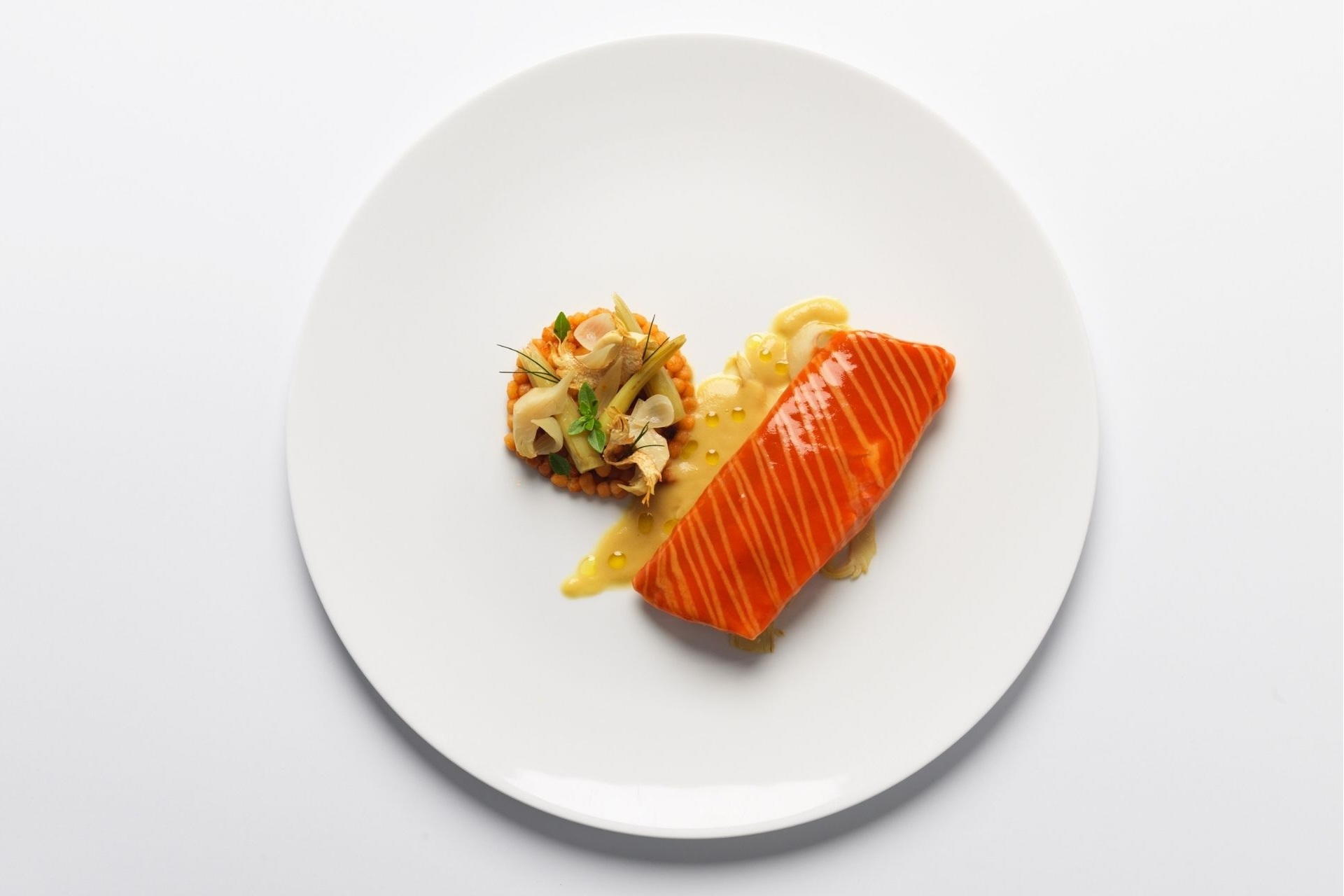
Luxury Restaurant Guide champions the restaurants that embody these Michelin principles — none more so than The Waterside Inn, the country’s most enduring three-star institution. (Featured image courtesy of The Waterside Inn.) Through partnerships with over 400 remarkable restaurants, our members receive exclusive privileges on dates chosen by each property, offering a more intimate way to experience exceptional dining.
Not a Luxury Restaurant Club member? To explore this world of fine dining with us, membership is £95 per year, or £9 monthly, or start with a free 14-day trial. A simple way to discover where exceptional dining can take you.